Agricultural Foundation
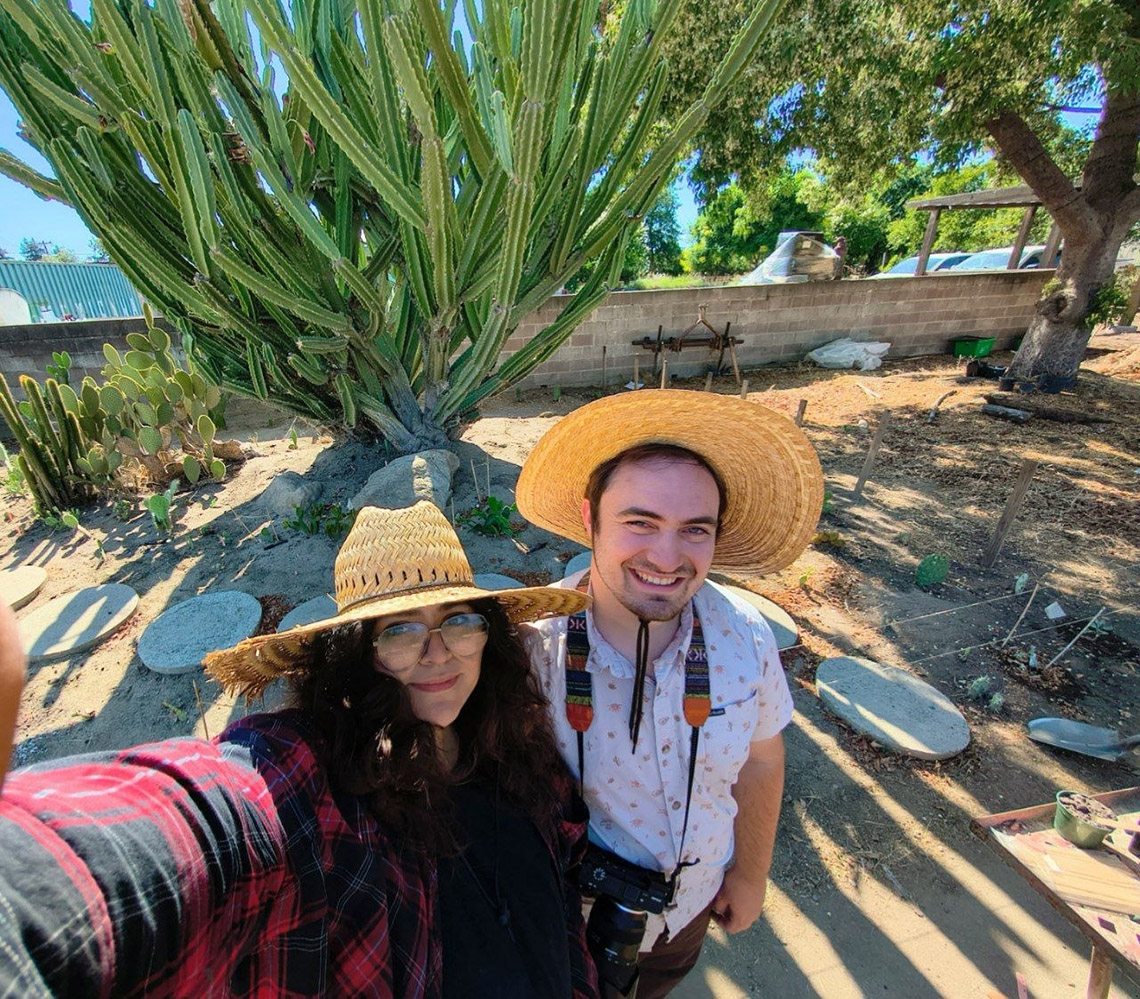
Campus Horticulture Nursery Cactus Garden
Former plant science student and alumna Paola Saenz and fellow students helped create a special collection of over 100 specimens of cacti and associated desert plants that was completed in 2026 and serves as a lasting educational and conservation resource for the campus and community.
Most of the collection includes species and cultivars within the Opuntia genus, commonly called nopal or prickly pear in a broader sense, as well as the Cereus, Consolea, Cylindropuntia and Nopalea genera.
The collection features historic cultivars that have been grown around the world for decades, as well as plants with connections to Native American sites, historic settlements, and family collections throughout California and the Southwest, including several native perennial flowering plants.
Saenz began the project in the fall of 2024 when she noticed the area on the northeast side of the nursery already contained a few cactus specimens, including a very rare Opuntia that was heavily infested with cochineal insects and in severe decline. There was also a large Cereus jamacaru species in the center of the garden that, based on consultations with several cactus experts, may be approaching 100 years of age.
Much of the garden was in poor condition or had already succumbed to disease, so she decided to help by removing diseased tissue, managing the infestation, and restoring the existing plants.
Her interest in cacti, particularly Opuntia, goes back as far as she can remember. She was born and raised in Mexico, where her grandparents farmed nopales, and she was involved from a young age in the production and processing of nopal products. Through that experience, she developed a deep appreciation for the incredible value of cacti.
Many people are unaware that a single plant such as nopal can provide food, medicine, fiber, animal feed, fuel, bioplastics, and numerous other products while thriving in harsh environments.
Many of the plants in the collection were acquired through her personal connections. She often knocked on doors and asked residents of those areas for small cuttings. Sometimes she traded cuttings that she had propagated herself, and other times she exchanged gardening assistance for plant material. Many specimens were originally brought to California from different regions of Mexico and have been maintained by local families for generations.
A key collaborator on the project was Jared Mann, who was a student at Arizona State University during much of the collection process before he became a faculty member at Glendale Community College. Mann contributed many unique specimens, assisted with plant acquisition, and helped identify numerous species through his expertise in sustainable horticulture.
Ernesto Duran, manager of the Horticulture Unit, was also instrumental to the project's success. He generously provided materials, supplies, and logistical support that made the propagation, establishment, and maintenance of the collection possible.
Volunteers and officers from the Fresno State Horticulture Club also contributed their time and effort and serve as the primary stewards of the garden moving forward. Leading this effort were club president Sam Willis and field operations managers Edwin Mendoza and Ector Delao Bautista.
Donations of materials such as rock mulch, plant labels, horticultural supplies and more can be made to the cub by messaging its Instagram page.
One of the Horticulture Club's core missions is to promote sustainability, conservation, and horticultural education. The cactus garden supports that mission by highlighting the diversity, cultural significance, and horticultural value of cactus species from across the Americas. It provides students and the community with an opportunity to learn about plants that are increasingly important in a changing climate.